
US autumn and early winter bring a familiar mix: leftover hurricane-season caution in some regions, first hard freezes in others, and holiday travel that leaves homes empty for long weekends. None of that requires panic shopping for a generator—but it is a sensible window to decide whether portable backup power belongs in your household plan before storms or outages arrive on a busy calendar.
EcoFlow is a portable power and home-energy brand that publicly traces its start to 2017, when a group of battery engineers set out to build cleaner, more practical energy products. Official materials describe portable power stations, solar accessories and whole-home backup directions under a “Power a New World” vision, with a large global user base claimed across many countries. This guide is an educational planning walkthrough for US shoppers—not a live watt-hour calculator and not a promise that any unit will cover your exact appliances.
Explore EcoFlow Power Stations
In this guide:
- Why cooler months push backup decisions
- What EcoFlow publishes about itself
- Comparing portable vs expandable backup roles
- How to size without inventing numbers
- A practical purchase and storage routine
1. Why Cooler Months Push Backup Decisions
Outages feel worse when days are short: medical devices, routers, fridge contents and space-heating accessories all compete for limited runtime. A portable power station will not replace a utility connection or a professionally installed standby generator for every home, but it can keep a short critical list alive while you wait for restoration—if you sized it honestly and practised once before you needed it.
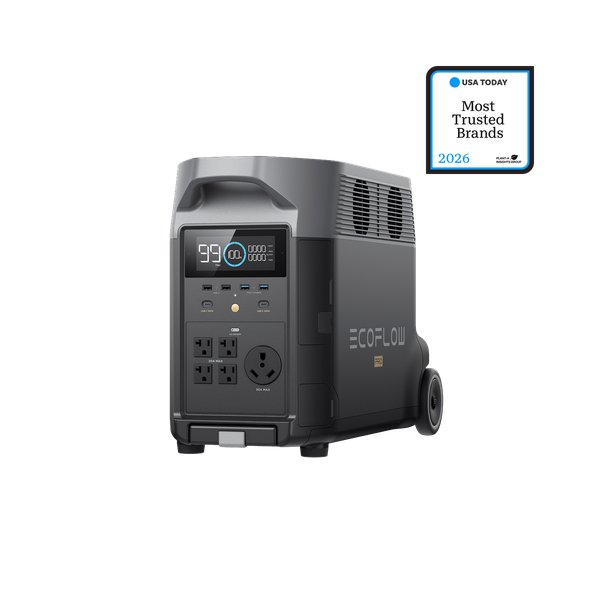
EcoFlow’s US storefront features portable stations such as models in the DELTA family, solar charging accessories and messaging around whole-home backup pathways for larger systems. Product availability, bundles and firmware features change; always read the live product page for continuous output ratings, surge behaviour, ports and safety notices.
2. What EcoFlow Publishes About Itself
According to EcoFlow’s about materials, the company was founded by battery engineers in 2017 amid a broader shift toward renewable and portable energy. Public pages describe a mission to help individuals and families access clean, reliable and affordable energy, and they cite large figures for global users, countries served, patents and business partners. Marketing also positions EcoFlow in smart home energy storage conversations. Treat those scale claims as brand statements—verify the specifications that matter for your purchase on the individual SKU page.
When you are ready to compare live configurations, open EcoFlow’s official store and read the technical tabs rather than only the hero banner.
3. Comparing Portable vs Expandable Backup Roles
| Role | Typical use case | What to verify |
|---|---|---|
| Compact portable station | Laptops, phones, routers, lights, small appliances for short outages | Wh capacity, AC output, pass-through charging, weight |
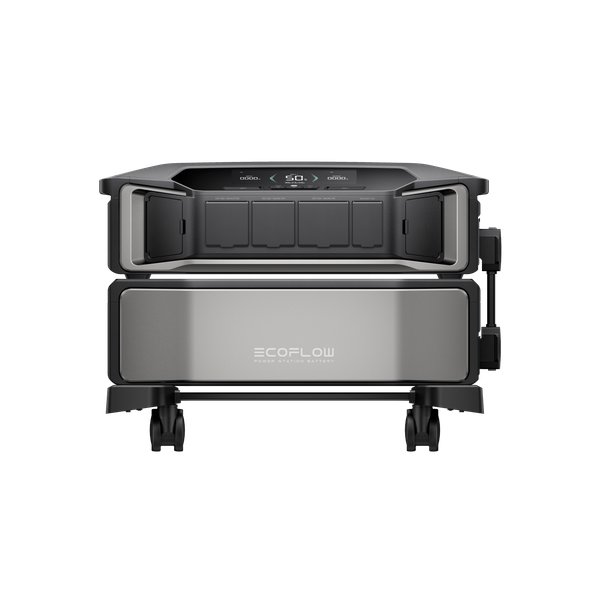
| Larger portable (e.g. DELTA-class) | Fridge cycles, more outlets, longer multi-device runtime | Continuous watts, surge handling, expansion battery options |
| Solar input accessories | Top-up when grid charging is unavailable | Compatible open-circuit voltage, connector type, weather setup |
| Whole-home oriented systems | Homes pursuing broader backup with professional planning | Installation requirements, permits, electrician involvement |
EcoFlow publicly markets DELTA-series portable power stations and related ultra/home-backup directions. Names describe product families; they are not a substitute for reading the watt and watt-hour figures on the exact model you buy.
4. How to Size Without Inventing Numbers
Magazine articles should not invent your load list. Use this method instead:
- Write the critical list. Only devices you truly need in the first 8–24 hours.
- Read nameplate watts on each device (or the manufacturer’s spec sheet). Note which ones surge at start-up.
- Compare continuous output on the power station to the simultaneous load you expect—not the sum of everything you own.
- Estimate runtime roughly as usable watt-hours divided by average watts drawn, then add a safety margin because real efficiency is never perfect.
- Plan recharge. Grid, car charging or compatible solar—know the path before an outage starts.
If your home needs panel interconnection, transfer switches or gas generators, consult a licensed electrician. Portable stations are not automatically legal or safe substitutes for hardwired standby systems.
Noise, heat and placement matter indoors. Even quiet inverters produce some fan sound under load, and cables create trip hazards in dark hallways. Place the station on a hard, dry surface with the clearance the manual specifies, never under bedding or inside a sealed cupboard while operating, and keep vents unobstructed. If you use the unit near medical equipment, confirm with the device maker that portable inverter power is acceptable—this article cannot certify clinical setups.
5. A Practical Purchase and Storage Routine
- Buy before the forecast turns severe; shipping and stock tighten when headlines spike.
- Charge to the level the manual recommends for storage, then top up on a calendar reminder.
- Store indoors at moderate temperatures; avoid freezing garages when the manual warns against it.
- Do a 20-minute drill: run your critical list once so cables and adapters are not missing.
- Keep the unit away from children, pets and flammable storage; follow all ventilation and cable guidance.
Firmware apps and Bluetooth or Wi-Fi features can be convenient for monitoring charge state, but an outage plan should still work if your phone is dead. Print a one-page port map, keep the right AC and DC cables in a labelled pouch, and know how to start the unit from physical buttons alone. Convenience features are extras; the core is stored energy and correct cables.
Conclusion
Cooler-season planning is about calm checklists, not last-minute panic. EcoFlow offers portable power stations and broader home-energy products rooted in a 2017 engineering origin story and a large public product catalogue. Size from your critical load list, read the live specifications, and practise once—then put the unit where you can actually reach it when the lights flicker.
Frequently Asked Questions
Can an EcoFlow station power my whole house?
Most portable units are meant for selected loads. Whole-home backup needs careful system design and often professional installation—read the specific product family’s requirements.
Do I need solar panels on day one?
Not necessarily. Many owners charge from the wall first and add compatible solar later. Confirm input limits before buying panels.
Is this a substitute for insurance or evacuation plans?
No. Backup power is one household tool alongside official emergency guidance for your region.

