
UK winters test household power plans: storms, short daylight for solar top-ups, and holiday travel that leaves freezers and routers unattended. A portable power station will not replace a hardwired standby generator for every home, but it can keep a short critical list running if you size it honestly and practise before the forecast turns ugly.
Jackery (uk.jackery.com) sells portable power stations and related solar accessories for UK shoppers, including Explorer-series models listed on the live catalogue. This guide is an educational cooler-season planning article. It is not a live watt-hour calculator and does not invent runtime for your exact appliances.
In this guide:
- Why winter pushes portable power decisions
- What Jackery UK publishes
- Comparing portable station roles
- Sizing without invented numbers
- Purchase, storage and drill routine
1. Why Winter Pushes Portable Power Decisions
Outages feel longer after dark. Medical devices, broadband routers, fridge compressors and phone chargers compete for limited energy. Buying during calm weather is wiser than joining a stock scramble when headlines spike. Decide your critical list first—then shop.
2. What Jackery UK Publishes
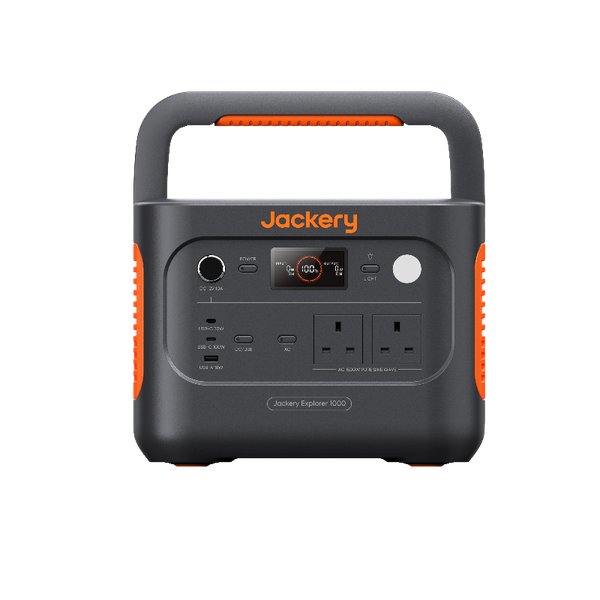
The UK storefront presents portable power stations such as Explorer models across multiple capacities, with solar charging accessories and seasonal promotions that change over time. Public pages emphasise portable backup for home and outdoor use. Verify continuous output, capacity (Wh), ports and warranty on the exact product page you buy.
When you are ready to compare, open Jackery UK and read the technical specifications tab by tab.
3. Comparing Portable Station Roles
| Role | Typical use | Verify |
|---|---|---|
| Compact Explorer-class | Phones, laptops, lights, routers for short gaps | Wh, AC watts, weight, pass-through charging |
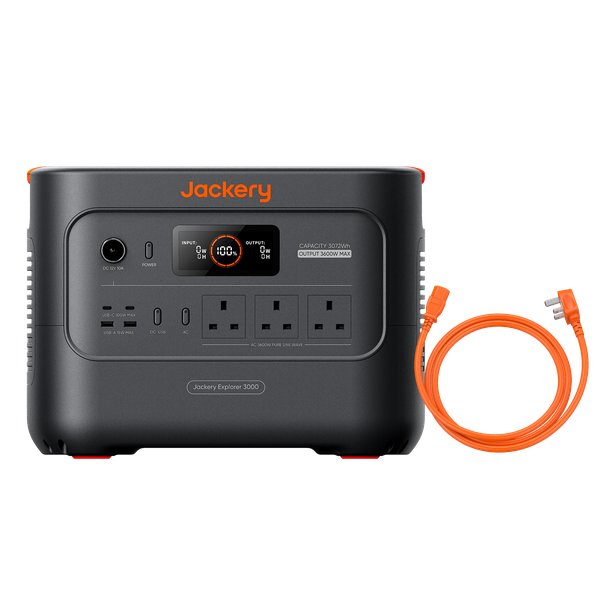
| Mid / large portable | Fridge cycles and longer multi-device runtime | Surge behaviour, socket count, UPS-style notes if claimed |
| Solar accessories | Daytime top-up when grid charging is limited | Compatible input limits, connectors, weather setup |
| High-capacity units | Extended backup for selected household loads | Moving weight, storage space, recharge time from wall |
4. Sizing Without Invented Numbers
Holiday lettings and student houses add another wrinkle: who owns the station, who may borrow it, and where it is stored between tenancies. Label the unit, keep the manual in a zip bag taped to the handle, and agree recharge etiquette so it is not returned flat before a storm. For van life or allotment sheds, weight and carry handles matter as much as headline Wh figures—trial-lift a similar mass in a shop if you can.
Insurance and landlord policies sometimes mention portable generators and batteries. Skim your documents so you are not surprised after a claim. This article is not insurance advice; it is a reminder to check paperwork while you are calm.
- Write only the devices you need in the first 8–24 hours.
- Read nameplate watts; note start-up surge devices such as fridges.
- Compare the station’s continuous AC output to simultaneous loads—not your entire fuse box.
- Estimate runtime roughly from usable Wh ÷ average watts, then add margin.
- Plan recharge: wall, car or compatible solar before the outage starts.
Hardwired whole-home systems need electricians and often permits. Portables are not automatic legal substitutes.
5. Purchase, Storage and Drill Routine
Cable hygiene decides success on the night. USB-C, car sockets and AC leads tangle quickly in a dark drawer. Use coloured tags for “fridge”, “router” and “phones”, and retire frayed leads instead of taping them. If your station supports firmware updates, apply them on mains power during daylight—not during a storm when you need the unit immediately.
Neighbourhood resilience is a bonus: knowing who on your street has medical needs or a spare freezer can shape how you share limited watt-hours ethically. Never promise capacity you have not measured. A short honest conversation before winter is kinder than an argument at midnight.
- Buy before severe-weather headlines empty popular SKUs.
- Store indoors at temperatures the manual allows; avoid freezing damp sheds if warned.
- Charge to the recommended storage level and calendar a top-up.
- Run a 20-minute drill with your critical cables labelled in one pouch.
- Keep vents clear; never operate under bedding or in a sealed cupboard.
App monitoring is convenient, but your plan should work if the phone is dead—know the physical buttons. Keep children and pets away from cables during use. If you also own another brand’s station, do not assume solar panels or parallel kits are cross-compatible without checking both manuals.
UK outdoor use still needs weather awareness: rain protection for connectors, careful footing with heavy units, and respect for neighbours when testing fans at night. Photograph the serial number on arrival for warranty support.
Conclusion
Winter readiness is a checklist, not a panic buy. Jackery’s UK catalogue centres on portable power stations and solar accessories with model-by-model specifications. Size from your critical loads, practise once, and store the unit where you can reach it when the lights flicker.
Pair the station with a simple paper load list stuck inside a kitchen cupboard: device, watts, priority order. When the power fails, you will not remember which charger matters. Update the list when you buy new medical or work equipment. That boring sheet is worth more than any promotional banner on a product page.
If you already own EcoFlow or another brand, decide whether Jackery fills a second niche (for example a lighter travel unit) rather than duplicating capacity you never use. Two half-considered purchases help less than one correctly sized station with labelled cables.
Finally, recycle packaging thoughtfully and keep the original carton if you may need warranty returns within the stated window. A flattened box under a bed is dull—and useful.
Frequently Asked Questions
Can Jackery run my whole house?
Most portable units cover selected loads. Whole-home backup needs proper system design and professional help.
Do I need solar on day one?
Not necessarily. Many owners charge from the wall first and add compatible solar later.
Why did some automated link checks fail earlier?
Affiliate networks sometimes block non-browser clients. A real browser reaching jackery.com through the network is the practical test; still confirm you land on the official UK domain before paying.

