
Introduction
If you’re thinking about upgrading your smartphone but don’t want to spend a fortune, the option to buy used phones might be exactly what you need. With flagship devices costing more than a decent laptop, many people are turning to the second-hand market for high-quality phones at a fraction of the price. But the idea of buying used can feel tricky—what about reliability, warranty, or hidden issues? The truth is, if you know where to look and what to check, buying a used phone can be one of the smartest decisions you’ll ever make. Let’s dive into how you can get the best deals without sacrificing quality.
Why Buying Used Phones Makes Sense
It’s no secret that brand-new smartphones come with steep price tags. The latest models from Apple, Samsung, and Google can easily cost more than $1,000. But here’s the thing—within just a year of release, many of these phones lose 20–30% of their value. That depreciation works in your favor if you’re shopping secondhand.
When you buy used phones, you’ll often get:
-
Huge savings – Sometimes 40–60% off retail prices.
-
Flagship performance for less—Last year’s premium models often outperform this year’s mid-range ones.
-
Sustainable choice—Extending a phone’s life reduces e-waste and environmental impact.
- Supporting keywords: affordable smartphones, second-hand phones, refurbished devices.
Instead of settling for a budget device with limited features, you can get a powerful flagship at a similar cost—one that still runs smoothly, handles apps effortlessly, and takes amazing photos.
Where to Buy Used Phones Safely
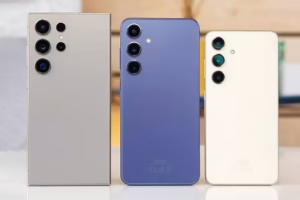
Not all sellers are created equal. The safest bet is to purchase from reputable platforms or certified resellers who inspect and test the devices before listing them for sale.
Some trusted sources include:
-
Official brand stores that sell refurbished models with warranties.
-
E-commerce platforms like Amazon Renewed or eBay, where seller ratings help guide your choice.
-
Local marketplaces like Facebook Marketplace or Craigslist, but only if you can meet in person and verify the phone.
Supporting keywords: refurbished phones online, certified pre-owned phones, safe second-hand deals.
When buying locally, always meet in a public place, check the device thoroughly, and never send money before you’ve seen the phone. Online, stick to sellers with strong reviews and clear return policies. That way, your risk is minimal and your confidence is high.
What to Check Before You Commit
Buying a used phone isn’t just about finding the lowest price—it’s about making sure you’re getting a reliable device. Before sealing the deal, make sure to check:
-
Physical condition—Look for scratches, dents, or cracks. Minor wear is normal, but major damage is a red flag.
-
Battery health—Over time, batteries lose capacity. iPhones let you check battery health in settings; for Androids, ask for details or test it yourself.
-
IMEI number—This verifies the phone isn’t stolen and ensures it can be activated with your carrier.
-
Functionality test – Check the camera, speakers, charging port, touchscreen, and buttons.
-
Unlocked or locked – Make sure the phone works with your carrier if you’re not buying directly from one.
Supporting keywords: used phone checklist, battery life, IMEI verification.
Spending 10 minutes double-checking these points can save you months of frustration later.
Understanding Refurbished vs. Used
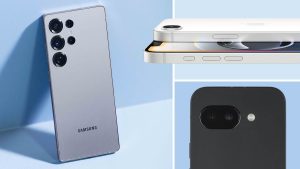
Many people confuse “used” with “refurbished,” but there’s a big difference. Used phones are sold as-is by previous owners, while refurbished phones are tested, repaired if necessary, and graded for quality before resale.
-
Used phones: Lower price, but condition varies. You rely on the honesty of the seller.
-
Refurbished phones: Cost a bit more but usually come with warranties, new accessories, and guaranteed functionality.
- Supporting keywords: refurbished vs used, certified refurbished smartphones, pre-owned phones.
If you want peace of mind and don’t mind spending slightly more, refurbished phones are the safer route. But if you’re comfortable inspecting and testing a device yourself, used phones can save you even more.
Tips for Getting the Best Deals
Once you’ve decided to buy used phones, the next step is scoring the best deal without cutting corners. Timing and strategy matter.
-
Shop during new model launches: Prices of older models drop when new ones are released.
-
Compare across platforms:Don’t settle for the first listing—check at least three sources.
-
Negotiate smartly: Private sellers often leave room for bargaining, especially on local marketplaces.
-
Check for bundles: Sometimes, you’ll get a case, charger, or extra accessories included.
- Supporting keywords: budget-friendly smartphones, best deals on used phones, affordable refurbished phones.
A little patience and research can save you hundreds of dollars while still giving you a reliable phone.
The Hidden Benefits of Buying Used Phones
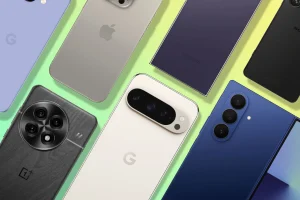
Beyond cost savings, buying secondhand comes with hidden perks. For example, you can avoid being tied down by expensive carrier contracts that usually come with new devices. You’ll also enjoy:
-
Flexibility: Switch carriers freely if the phone is unlocked.
-
Quicker upgrades: Because you’re spending less, you can afford to upgrade sooner.
-
Proven reliability: Models that have been out for a year or two often have fewer software bugs, since updates have fixed early glitches.
- Supporting keywords: unlocked used phones, second-hand smartphone benefits, contract-free phones.
For many, these perks outweigh the shiny appeal of being the first owner.
Conclusion
Choosing to buy used phones is a practical, cost-saving, and eco-friendly decision that more people are embracing every year. With the right approach—checking battery health, verifying the IMEI, and buying from trusted sellers—you’ll get a high-quality smartphone at a fraction of the cost. Whether you’re after a flagship device or just a reliable backup phone, the second-hand market gives you endless options without the hefty price tag.

