
Late autumn is when cupboards start doing overtime. Soups simmer longer, baking trays come out more often, and snack bowls empty faster once guests begin dropping by. If you shop for pantry staples the same way you shop for milk—small packs, frequent top-ups—you can end the season with more plastic and less planning than you meant to.
KoRo (korodrogerie.de) is a Berlin-founded online shop known for shelf-stable foods in generous pack sizes: nuts, dried fruit, nut butters, snacks and related staples. The brand’s public story emphasises shorter supply chains, transparent ingredient information and everyday prices rather than constant flash sales. This guide is a practical pantry plan for cooler months—not a product catalogue and not a promise that any single pack will suit every kitchen.
In this guide:
- Why bulk packing fits late autumn
- What KoRo is—in plain terms
- A seasonal shopping shortlist
- How bulk stacks up against weekly top-ups
- Storage and waste habits that matter
- A calm pre-holiday checklist
1. Why Bulk Packing Fits Late Autumn
From mid-October through the holidays, kitchens lean on ingredients that keep well: oats and crisps for breakfast, nuts for baking, dried fruit for trail mixes and cheese boards, nut butters for toast when energy dips. Those categories travel well through courier networks and sit happily in a cool cupboard if you rotate what you open first.
Buying larger packs is not automatically “better.” It only works when you will actually use the food before quality fades, and when you have jars or bins ready so air and kitchen humidity do not spoil an opened bag. For households that bake weekly or pack lunches every weekday, though, fewer small pouches usually mean less packaging per kilo and fewer emergency supermarket runs in the rain.
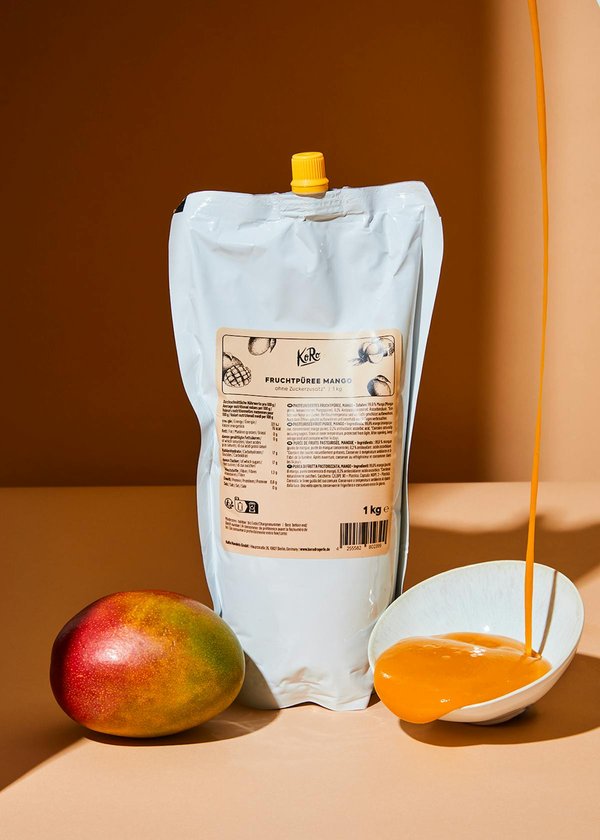
KoRo’s own materials repeatedly stress large pack sizes as a way to cut unnecessary packaging while keeping prices steadier. Treat that as a shopping principle to test against your real consumption—not as a rule that every product must be bought in the biggest size available.
2. What KoRo Is—In Plain Terms
KoRo Handels GmbH began in Berlin in 2014. Public brand profiles describe founders Constantinos Calios and Piran Asci, with Florian Schwenkert later joining the leadership team. The shop grew around the idea of skipping unnecessary trade steps and selling durable foods in straightforward packaging. Early experiments with detergent gave way to nuts and dried fruit—the categories most shoppers still associate with the brand—while the korodrogerie.de name stayed.
Today the assortment stretches beyond nuts: nut purees, protein-friendly snacks, baking ingredients, drinks and selected non-food items appear in the shop overview. KoRo also sells through some supermarket partners in Germany, including names it has publicly mentioned such as dm, Rossmann, Rewe and Edeka, alongside its own cafés where guests can taste products before taking them home. Online remains the fullest catalogue.
None of that replaces reading the label on the specific product you choose. Allergen statements, best-before dates and storage advice live on the pack and product page. If you need a particular dietary standard (organic certification, gluten-free status, vegan recipe), confirm it on the item you are buying rather than assuming the whole assortment shares one profile.
When you are ready to explore categories rather than a single SKU, you can open the KoRo shop overview and filter by the formats your household actually finishes.
3. A Seasonal Shopping Shortlist
Use this as a planning prompt, not a mandatory cart. Quantities depend on household size and how often you cook from scratch.
- Breakfast anchors. Nut butters, dried fruit and crunchy toppings for porridge or yoghurt. Late autumn mornings reward something already portioned in a jar.
- Baking and gifting. Nuts, chocolate-covered pieces and dried fruit are classic tray-bake and edible-gift ingredients. Buying once for several batches saves last-minute dashes.
- Snack coverage. Clean-label snack packs help when visitors arrive. KoRo’s range includes sweet and savoury options; pick flavours you already know people like.
- Protein-minded extras. If your household leans on higher-protein snacks between meals, compare ingredient lists carefully and choose formats you will finish.
- Try sizes first. Where sample or smaller sizes exist, they are useful before committing to a large bag of a flavour you have never tasted.
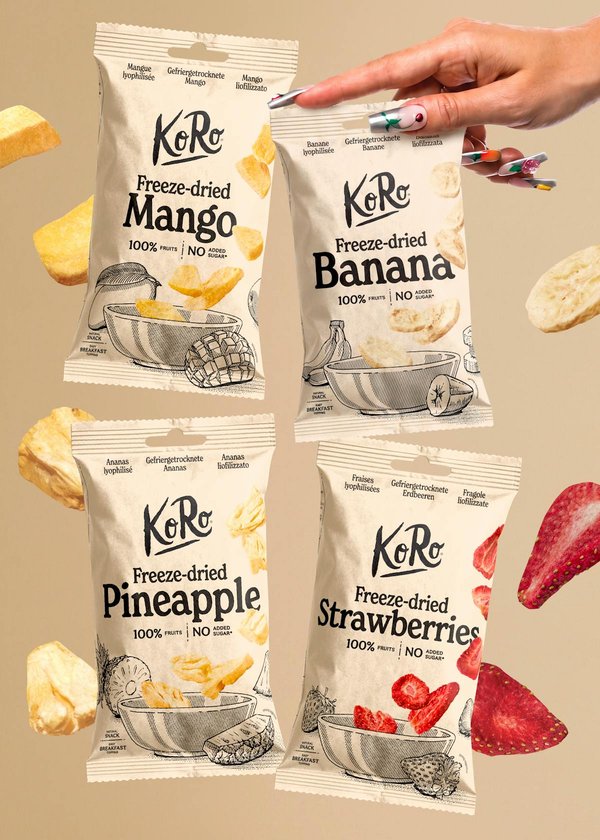
Holiday tables also benefit from a “guest shelf”: one sealed pack of mixed nuts, one dried-fruit mix, one nut butter that works on bread. Keep them unopened until the week of entertaining so everyday snacking does not empty your emergency stock.
4. How Bulk Stacks Up Against Weekly Top-Ups
The right approach depends on storage space, cash flow and how predictable your cooking is. This comparison stays qualitative—no invented unit prices.
| Factor | Larger KoRo-style packs | Frequent small supermarket packs |
|---|---|---|
| Packaging per kilo | Usually lower if you finish the pack | Higher if you repurchase often |
| Planning load | Higher upfront; calmer mid-season | Low upfront; more midweek errands |
| Waste risk | Higher if flavour or texture disappoints | Lower per purchase; more total plastic |
| Best when | You already use that staple weekly | You are still experimenting |
KoRo has publicly positioned itself against artificial discount theatre—favouring steady pricing and occasional clearances tied to real warehouse or date needs. Whatever a shop’s pricing philosophy, your job is still to compare the delivered cost against how quickly your household empties a pack.
5. Storage and Waste Habits That Matter
Bulk only pays off when storage is boring and reliable:
- Decant opened bags into airtight jars; keep the label or a photo of the allergen info.
- Store nuts and seeds cool, dark and dry; heat near ovens shortens freshness.
- Rotate: open the oldest jar first; write the open date on masking tape.
- Freeze portions of nuts you will not use within a few weeks if your climate is warm indoors.
- Share oversized packs with neighbours or colleagues rather than forcing a flavour nobody likes.
If a product arrives damaged, use the shop’s published customer-service process promptly and keep photos. Delivery windows can stretch before public holidays, so order pantry staples earlier than you think you need them.
For a current view of pack sizes and categories, check KoRo’s live assortment rather than relying on any magazine snapshot.
6. A Calm Pre-Holiday Checklist
Two weeks before you expect guests:
- List the three breakfasts and three snacks you actually repeat.
- Note which pantry items you ran out of last December.
- Measure cupboard space before ordering large bags.
- Choose one new flavour to try in a smaller size—not five.
- Schedule the order so it arrives on a day someone is home.
Conclusion
Late autumn rewards kitchens that plan staples instead of improvising every wet Wednesday. KoRo’s bulk-friendly model—nuts, dried fruit, purees and snacks with an emphasis on transparency—fits that rhythm when you match pack size to real appetite. Start with the foods you already finish, store them properly, and treat the shop as one practical option among others for stocking a calmer holiday pantry.
Frequently Asked Questions
Is KoRo only nuts and dried fruit?
Those categories made the brand famous, but the online shop also lists nut butters, snacks, drinks, baking ingredients and selected non-food items. Always confirm the current range on the product pages.
Do I need to live in Germany to order?
KoRo’s primary shop is korodrogerie.de and is oriented to its published delivery regions. Check shipping information on the site for your address before you build a large cart.
Are all products organic or vegan?
No. Individual products carry their own certifications and ingredient lists. Filter and read labels instead of assuming a single standard across the assortment.

