
British evenings get darker early, gym memberships feel optional after a long commute, and living-room floor space suddenly looks like the only reliable workout venue. Home kit only helps if it matches the room you actually have—ceiling height, noise tolerance and how often you will use it—not the loudest advert in your feed.
Home Fitness Code (homefitnesscode.com) is a United Kingdom online shop for home fitness equipment such as treadmills, exercise bikes and related training machines at accessible price points, with public messaging about inspiring people to train at home. This guide is a practical cooler-season buying walkthrough. It is not a live price list and does not invent motor ratings, fold dimensions or warranty outcomes for any SKU.
In this guide:
- Measure the room before you browse
- What Home Fitness Code publishes
- Comparing common home machines
- Noise, safety and delivery checks
- A winter home-training routine
1. Measure the Room Before You Browse
Tape the footprint and the height at the lowest beam. Note door swing, radiator clearance and whether the floor can take vibration. If you share walls with neighbours, prefer quieter modalities or timed sessions. A folding treadmill that never unfolds because the sofa blocks it is an expensive clothes rail.
Write one primary goal for the next eight weeks—walking base, cycling intervals, or general conditioning—then shortlist machines that serve that goal. Ignore full-gym fantasies until the first machine earns weekly use.
2. What Home Fitness Code Publishes
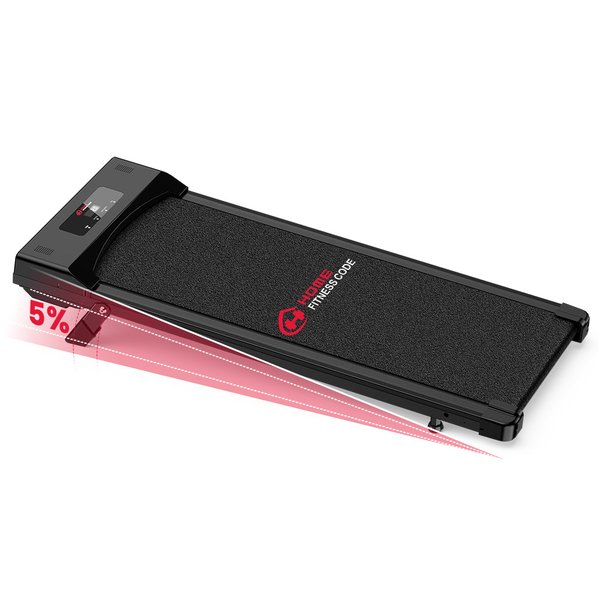
The UK storefront presents home fitness equipment across categories such as treadmills and other cardio machines, with branding that emphasises affordable home training. Product pages carry the specifications that matter: dimensions, fold behaviour where offered, and included accessories. Verify delivery, returns and warranty text on the page you buy.
For the live catalogue, open Home Fitness Code and filter by the machine type you measured for.
3. Comparing Common Home Machines
| Type | Fits well when… | Checks |
|---|---|---|
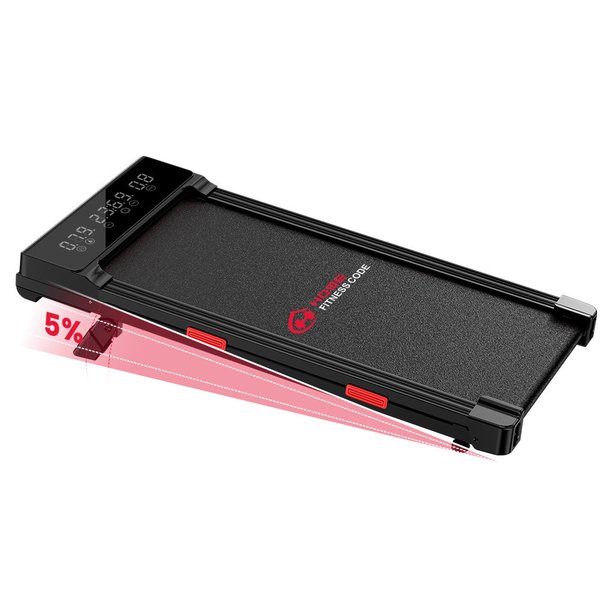
| Treadmill | You want walking or running indoors through wet months | Deck length, max speed/incline, fold height, motor continuous rating |
| Exercise bike | Lower impact and smaller footprint matter | Seat adjust range, resistance type, noise, tablet shelf |
| Other cardio / multi machines | You want variety without multiple large bases | Assembly complexity, user weight limit, spare-part access |
| Mats and accessories | Floor protection and stability | Thickness, size vs machine footprint |
4. Noise, Safety and Delivery Checks
- Power. Confirm a suitable outlet; avoid daisy-chained extension leads for high-draw motors.
- Assembly. Budget time or paid assembly; rushed bolts cause wobble.
- Safety keys / stops. Know where they are before the first session.
- Delivery access. Measure stair turns; refuse kerbside-only surprises if you live upstairs.
- Returns. Large appliances often have narrow unused windows—read them first.
This article cannot replace manufacturer manuals. Stop if pain appears and seek appropriate advice for injuries.
5. A Winter Home-Training Routine
- Three short sessions beat one heroic weekend attempt.
- Pair machine work with a five-minute mobility warm-up.
- Ventilate the room; sweat plus sealed windows is miserable.
- Log minutes, not perfection.
- Schedule a monthly bolt and belt check as the manual suggests.
Shared households need etiquette: headphones, session slots, and a wipe-down habit. Guests should not treat your treadmill as a clothes dryer. If motivation dips in January, cut session length before you abandon the machine—consistency keeps the purchase honest.
Budget for a decent mat and a fan. Those two extras often improve comfort more than upgrading to a flashier console in year one. Keep the original packaging panels if the return window is still open, then recycle thoughtfully once you are sure the machine stays.
Keep receipts and serial numbers in one folder—digital photos of labels are enough—so support requests do not start from zero. Small admin habits protect bigger purchases and travel plans alike.
Revisit your decision after two weeks of real use or one completed trip. If the product or service did not earn its place, adjust the next brief instead of blaming yourself for “lack of motivation.”
When promotions shout, return to your written constraints: space, budget, dates and who else is affected. Constraints feel boring and they prevent expensive mismatches.
Review official terms on the brand site the day you buy; archived affiliate campaigns can still land on live shops whose policies change.
Second-hand marketplaces can look cheaper until you factor in missing safety keys, worn decks and no warranty path. A clear UK retail product page with documentation is often the calmer buy for a first treadmill or bike, especially if you are new to home assembly. Photograph every cable connection during build so future troubleshooting is visual rather than guesswork.
If you already own dumbbells or a yoga mat, place the cardio machine where those tools remain reachable. Fragmented “stations” across three rooms kill adherence faster than a slightly smaller deck. One corner with light, airflow and a wall hook for headphones beats a prettier layout you avoid.
Parents sharing space with nap schedules should prefer quieter resistance bikes during daytime and save higher-impact walking for windows when noise matters less. Courtesy is part of the specification sheet even though it never appears in the product title.
Conclusion
Home training works when the machine fits the room and the calendar. Home Fitness Code’s UK catalogue focuses on approachable home cardio and related equipment. Measure twice, read the spec sheet, and commit to a simple weekly rhythm before you chase upgrades.
Write down one improvement for next time before you close the tab. Continuous small refinements beat occasional overhauls.
Finally, schedule a calendar reminder one month after purchase or signup to reassess whether the product or service still matches your life. Cancel or resize plans early if it does not—sunk costs are not a strategy.
Frequently Asked Questions
Do I need a commercial treadmill at home?
Usually not. Match duty cycle to your use; home-rated machines suit most apartment and house users who train a few times a week.
Will neighbours hear it?
They might. Test at reasonable hours, use a mat, and prefer walking settings if sound is a concern.
What if ceiling height is low?
Check running surface clearance with your height and arm swing; some rooms simply suit a bike better than a treadmill.

