
Cooler months often push people toward “brain fog” conversations: shorter daylight, denser calendars, and more screens after dark. Supplement aisles answer with loud promises. A calmer approach starts with habits you already control—sleep window, daylight walks, caffeine timing—then, if you still want to browse supplements, reading labels like an adult.
BrainMD is a United States brain-health-oriented supplement brand associated with clinician-educator Daniel Amen’s public work; its storefronts (including brainmd.com / brainmdhealth.com destinations used by partners) sell vitamins, omega products, targeted support formulas and related wellness goods. This guide is educational shopping hygiene only. It is not medical advice, does not diagnose or treat any condition, and does not claim any product will improve memory, mood, IQ or disease outcomes.
In this guide:
- Fix the boring foundations first
- What BrainMD publishes about itself
- Comparing common supplement shopping jobs
- Label and safety checks without hype
- A cautious four-week try routine
1. Fix the Boring Foundations First
Before any bottle, write down bedtime, wake time, caffeine cut-off, and two movement sessions you can keep for a month. Supplements cannot outspend chronic sleep debt. If you take prescription medicines, are pregnant, nursing, or managing a diagnosed condition, speak with a qualified clinician or pharmacist before adding over-the-counter supplements.
Treat online testimonials as marketing, not evidence personalised to you.
2. What BrainMD Publishes About Itself
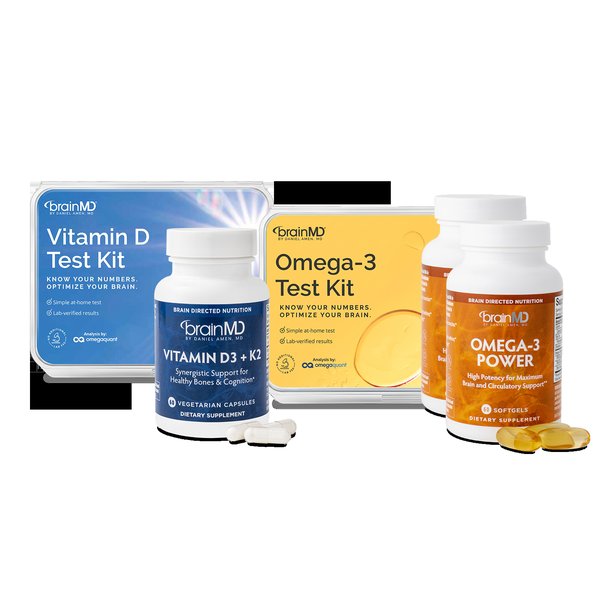
Public BrainMD materials emphasise brain-health education and a catalogue of supplements and wellness products, often paired with content from Dr. Daniel Amen’s broader educational brand. Formulas, bundles and stock change. Use the live product page for ingredients, suggested use statements and warnings—not a social clip.
To review current products, open BrainMD via this partner link and read each label in full.
3. Comparing Common Supplement Shopping Jobs
| Shopping job | More sensible approach | Avoid |
|---|---|---|
| Filling a known dietary gap (e.g. discussing omega-3 intake with a clinician) | Choose a transparent ingredient list and serve size | Stacking five overlapping blends at once |
| General “winter wellness” curiosity | One product, one habit tracker, fixed review date | Buying a full shelf because of a podcast ad |
| Gift for someone else | Ask about their clinicians and current meds first | Surprise medicalised gifts |
| Replacing medical care | Do not—book appropriate care instead | Self-treating serious symptoms with capsules |
4. Label and Safety Checks Without Hype
- Read the Supplement Facts panel and full ingredient list.
- Note allergens, warnings and “consult your physician” language.
- Check serving size versus how you actually dose—more is not better.
- Prefer brands that publish lot-level testing information when available; still verify what is shown for that SKU.
- Store products away from heat, humidity and children.
Be sceptical of any page—here or elsewhere—that implies supplements cure disease. US advertising rules aside, your health decisions deserve clinician input.
5. A Cautious Four-Week Try Routine
Week 0: clinician/pharmacist check if you use medications. Week 1: buy at most one product that matches a written goal. Weeks 2–3: take it only as labelled, keep sleep/caffeine notes. Week 4: decide with a clinician whether continuing makes sense. Stop and seek care if you notice concerning symptoms.
If you feel no meaningful routine benefit and your clinician agrees, discontinue rather than escalating doses.
Keep a written list of every supplement and medicine you take so pharmacists can spot overlaps quickly.
Official FAQ and contact pages on the brand site beat anonymous forum dosage threads.
If a subscription auto-ships, set a calendar reminder before the renewal so unused bottles do not pile up.
Travel with original labelled containers when possible; unmarked pills create security and safety problems.
Keep a written list of every supplement and medicine you take so pharmacists can spot overlaps quickly.
Official FAQ and contact pages on the brand site beat anonymous forum dosage threads.
Seasonal darkness is not a diagnosis. If low mood or cognitive changes worry you, contact a qualified clinician rather than escalating supplement stacks.
Photograph the lot number on arrival; it helps support conversations if a bottle ever needs tracing.
Refuse “secret protocol” upsells that pressure you to buy five products before you have tried one.
Keep expectations modest: consistency in sleep and movement still explains more day-to-day clarity for most people than any capsule narrative.
When comparing brands, identical ingredient names can still differ in forms and doses—read the panel, do not assume equivalence.
Educational content on brainmd.com can be useful context, but product decisions still belong on the label and in a clinical conversation when needed.
Keep marketing emails in a filter folder so urgency banners do not drive unplanned reorders.
If a clinician asks for brand names, bring the bottle photo rather than guessing the formula from memory.
Share your full supplement list at annual checkups the same way you share prescription lists—omissions create avoidable interactions.
Share your full supplement list at annual checkups the same way you share prescription lists—omissions create avoidable interactions.
Conclusion
BrainMD is one US option in a crowded brain-wellness supplement market. Shop with label literacy, keep medical care in the loop, and refuse miracle narratives—including any you might wish were true in darker months.
Finally, schedule a one-month calendar reminder to reassess whether the product still earns a place in your routine with your clinician’s input.
Prefer daylight and a short walk before you open another product tab; many “foggy” afternoons improve with movement alone.
Frequently Asked Questions
Does this article claim BrainMD products treat medical conditions?
No. It explicitly avoids medical claims and urges clinician guidance.
Is BrainMD the same as Amen Clinics care?
Educational branding may overlap in public marketing; clinical care and e-commerce supplements are different decisions—verify what you are buying.
What if a page promises dramatic brain results?
Treat absolute promises with scepticism and rely on labelled information plus professional advice.

