
US party calendars thicken as autumn turns toward holiday weeks: weddings, birthdays, work drinks and casual dinners. Many people open a fashion tab looking for one dress that photographs well and still feels wearable after two hours on their feet. Fast trend shops can help—if you read fabric notes, return windows and sizing charts instead of buying on adrenaline.
Hello Molly (hellomolly.com/us for US shoppers) is a fashion retailer known for women’s dresses and going-out outfits with frequent new drops, including mini, midi and maxi lengths and occasion-led edits. Public site copy emphasises trendy, camera-ready styles with an Australian design voice for an international audience. This guide is a practical seasonal shopping walkthrough. It is not a live stock list and does not invent fabric compositions or fit guarantees.
In this guide:
- Start from the occasion, not the scroll
- What Hello Molly publishes about itself
- Comparing dress lengths and use cases
- Fit, fabric and return discipline
- A calmer checkout routine
1. Start from the Occasion, Not the Scroll
Write the dress code, venue temperature and how far you will walk. A tulle mini that thrives on a dance floor may feel wrong at a daytime lunch. Budget for shoes and a wrap in the same decision so the cart total is honest. If you already own a similar silhouette, skip duplicates unless the colour fills a real gap.
2. What Hello Molly Publishes About Itself
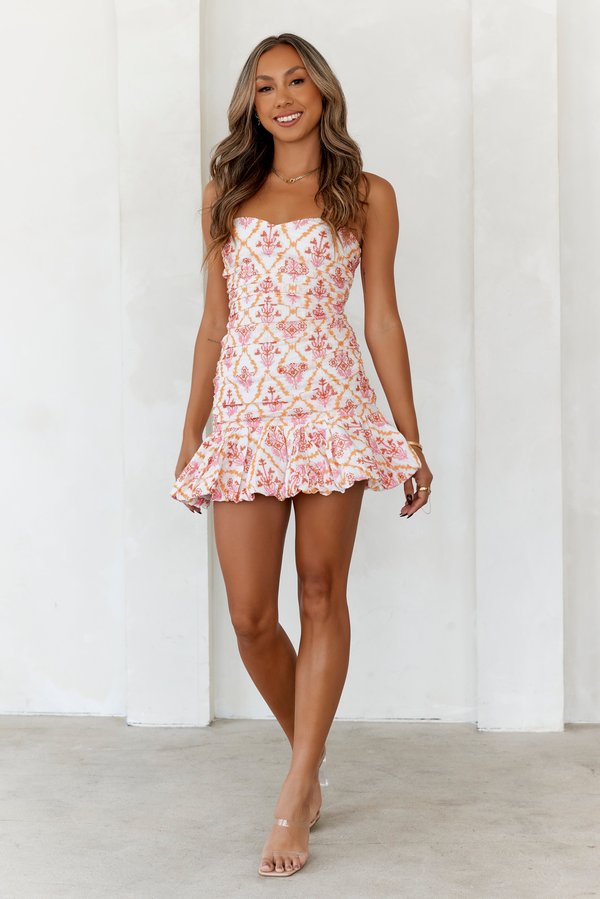
Hello Molly’s US storefront highlights women’s dresses and fashion for nights out, events and everyday glam moments, with collections that turn over quickly. Some lines are marked exclusive or “Considered” with ethical-production or lower-impact material messaging where the brand applies those labels—always read the specific product’s claims rather than assuming every SKU shares them. Designed-in-Australia heritage appears in product storytelling on many items.
To browse current drops, visit Hello Molly US and open size charts before you fall for lifestyle photos alone.
3. Comparing Dress Lengths and Use Cases
| Length / type | Often suits | Checks |
|---|---|---|
| Mini | Nightlife, parties, dancing | Hem comfort when seated, lining, shoe height |
| Midi | Dinners, showers, smarter daytime events | Stride ease, slit placement, layering |
| Maxi | Formal-leaning evenings, outdoor events | Hem vs heels, wind, transport wrinkles |
| Statement fabrics (tulle, satin, mesh) | Photos and special nights | Care labels, snag risk, undergarments |
4. Fit, Fabric and Return Discipline
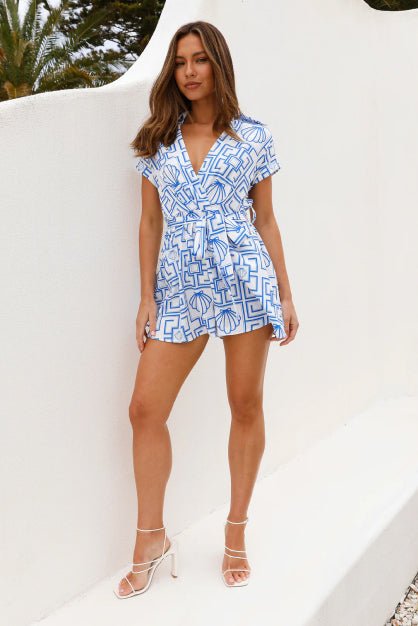
- Size chart first. Brand sizes are not universal—match bust/waist/hip notes.
- Model stats. Use them as clues, not promises.
- Stretch vs structure. Corset-look seams and non-stretch linings fit differently after a meal.
- Care. If you will not dry-clean, avoid fabrics that demand it for your lifestyle.
- Returns. Keep tags on and note the deadline the night the parcel arrives.
5. A Calmer Checkout Routine
- Shortlist two dresses max; sleep on the choice if the event is weeks away.
- Order early enough for exchanges before the date.
- Photograph the fit in daylight for your own records.
- Plan jewellery and bag from what you own before buying more.
- Unsubscribe from panic emails after you order—decision fatigue is real.
Group chats will vote for the boldest option. You still have to sit, eat and possibly commute in the dress. Move, sit and reach before you cut tags. If a style is exclusive or limited edition, that scarcity is marketing as much as fact—buy because it fits your plan, not because a timer is blinking.
Colour under restaurant lighting differs from phone selfies. Check the garment beside a white tee in your own space. When in doubt, choose the colour you already wear successfully and spend attention on silhouette instead.
Keep receipts and serial numbers in one folder—digital photos of labels are enough—so support requests do not start from zero. Small admin habits protect bigger purchases and travel plans alike.
Revisit your decision after two weeks of real use or one completed trip. If the product or service did not earn its place, adjust the next brief instead of blaming yourself for “lack of motivation.”
When promotions shout, return to your written constraints: space, budget, dates and who else is affected. Constraints feel boring and they prevent expensive mismatches.
Review official terms on the brand site the day you buy; archived affiliate campaigns can still land on live shops whose policies change.
Shipping cut-offs before holidays are real. If your event is inside two weeks, prioritise in-stock sizes and avoid made-to-wait colours unless the site states delivery dates you can live with. A backup outfit in your wardrobe prevents panic if a parcel slips.
Alterations can rescue a nearly perfect midi more cheaply than buying a third dress. Budget a tailor visit for hems when you are between standard lengths. Keep spare thread from the care kit if one is included, and store the garment in a breathable bag rather than crushed in a suitcase pocket.
Sustainability claims deserve the same scepticism as fit claims: read what the brand actually asserts for that SKU. If a Considered tag matters to you, confirm the criteria on the page and keep a screenshot with your order number for your own records.
Conclusion
Occasion dressing is easier with a short brief and a strict return habit. Hello Molly’s US catalogue specialises in fashion-forward dresses and party looks with fast-moving drops. Measure yourself, read the fabric line, and buy the dress you will actually wear past the first photo.
Write down one improvement for next time before you close the tab. Continuous small refinements beat occasional overhauls.
Finally, schedule a calendar reminder one month after purchase or signup to reassess whether the product or service still matches your life. Cancel or resize plans early if it does not—sunk costs are not a strategy.
Frequently Asked Questions
Is Hello Molly only dresses?
Dresses are a major focus, but the wider fashion assortment can include other categories depending on the season—check the live navigation.
Do Considered labels apply to every item?
No. Read each product page for the criteria the brand assigns to that garment.
Can I rely on influencer sizing?
Use it as one data point beside the official chart and your own measurements.

