
Poland’s dining calendars fill quickly when festival menus appear—especially if you are travelling into a city for a short break and want reserved tables without treating every night as a special-occasion gamble. Planning beats hovering refresh on a single restaurant page.
Restaurant Week experiences are promoted via week.pl, which publicly positions itself around online reservations and dining festivals, including Restaurant Week as a widely recognised restaurant festival with favourable menu pricing messaging. This guide helps English-reading travellers and locals navigate the idea of festival dining in Poland. It invents no current city line-ups, prices or dates—always verify on week.pl.
Explore Restaurant Week on Week.pl
In this guide:
- Clarify trip dining intent
- What Week.pl publishes
- Festival versus regular booking
- A practical booking plan
- Table etiquette and contingencies
1. Clarify Trip Dining Intent
Decide how many festival meals fit your stay, dietary needs and travel times between districts. Note whether you need lunch versus dinner slots. Write must-avoid ingredients before you fall for a chef photo.
Set a transport buffer between museum days and dinner. Rushing across a city rarely improves a tasting menu mood.
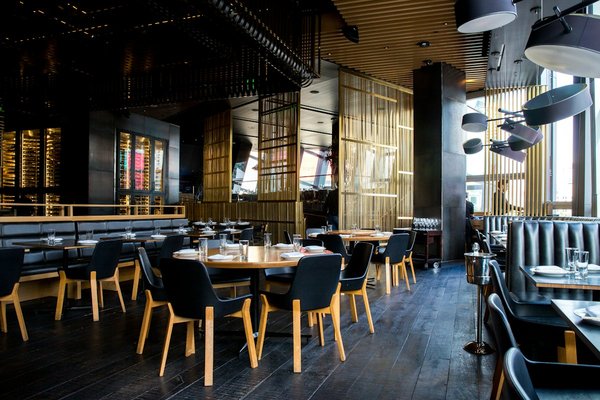
2. What Week.pl Publishes
Week.pl describes online reservations and dining festivals, highlighting Restaurant Week as a popular restaurant festival with chef menus at approachable pricing as the site frames it. Use the platform to discover participating restaurants and reservation flows as currently listed—menus rotate by edition.
Language toggles and city filters matter; confirm you are viewing the city you will visit. Screenshots of last year’s menus are not this year’s offer.
Open Week.pl to see current reservation pathways and festival framing.
3. Festival versus Regular Booking
| Approach | Best when | Watch for |
|---|---|---|
| Festival menu reservation | Trying new kitchens on a fixed format | Edition dates and seat limits |
| Regular a la carte booking | Specific dishes you already love | Peak tourist surcharges if any |
| Mix of both | Longer stays | Diary clashes |
A mixed plan often works: one festival exploration, one known favourite, one flexible night.
4. A Practical Booking Plan
Book as early as the platform allows for your dates. Save confirmation emails offline. Add restaurant addresses to your maps app with transit notes. If travelling in a group, collect dietary constraints in one message thread before reserving.
Keep Week.pl listings handy while you compare neighbourhoods so you do not double-book across districts you cannot cross in time.
5. Table Etiquette and Contingencies
Arrive on time, communicate allergies through the channel the restaurant prefers, and cancel within the policy if plans change. Have a backup bistro nearby for kitchen closures or travel delays.
Limit yourself to three open product tabs. For each, copy three facts into a notebook: what is included, the key specification the page states, and the return terms. Ignore countdown widgets until those lines are filled.
When two options look alike, decide with constraints you cannot change—space, timing, landlord rules or who else must use the item. Constraints outrank colour preferences. Sleep on the note before paying.
Book a thirty-minute setup or first-use block in week one. Read safety sections, run a supervised trial, and name one household owner for upkeep so tasks do not dissolve into everyone-and-no-one.
Ninety days on, ask whether the purchase still matches the original brief. If use is rare, adjust habits before buying accessories. Accessories should follow proven use.
Checkout deserves care: confirm the domain, avoid public Wi-Fi, save the order PDF, and enable tracking in any customer account the site offers.
Tape relevant spaces before browsing large items—door widths, lift depth, shelf height—and photograph measurements beside your budget ceiling note.
Keep original packaging through the returns window described on the merchant site. Snap serial labels while the box is open and store receipts in one cloud folder named by brand and month.
If a page will not state a fact you need, skip that SKU instead of inventing a number from a remembered advert. Official silence is information.
Share lessons with anyone who co-funded the purchase so the next decision starts with evidence rather than another impulse scroll.
When customer service is required, quote the order number and product title exactly as printed to prevent mix-ups between similar names.
Before you finalise any shortlist, revisit the original brief you wrote on paper. Ask whether the item still solves that brief or whether browsing quietly changed the goal. If the goal shifted, rewrite the brief deliberately instead of pretending the first sentence still applies. Deliberate shifts are fine; accidental ones create returns.
Talk through timing with anyone who shares the home or the trip. Delivery days, installation evenings and first-use sessions need clear ownership. When two people assume the other will be present for a courier slot, parcels bounce and momentum dies. Put the slot on a shared calendar with a backup window.
Keep a simple evidence folder: screenshots of the product title, care or specification notes you relied on, and the order confirmation. If something arrives differently from what you understood, that folder turns a vague complaint into a precise question for customer service. Precision speeds resolutions.
After the first week of real use, jot five lines on what worked and what felt awkward. Those lines are gold for the next purchase in the same category and for advising a friend without inventing statistics. Honest notes beat marketing memory every time.
Finally, decide what you will not buy for the next month in this category. Closing the tab is a feature. A finished decision frees attention for the rest of life—work, rest and the rooms you were trying to improve in the first place.
Restaurant Week via Week.pl is a structured way to sample Polish restaurant culture when edition timing matches your trip. Verify live menus and dates on the site, book with buffers, and keep expectations tied to the festival format. Continue at week.pl when your city dates are firm.

